Column · @thecbdanxietyden
How CBD for Anxiety Works: What I've Learned From Real Life Experience
Finding a moment of calm in a world that never stops
I first started looking into cbd for anxiety after a particularly rough stretch of sleepless nights. My mind would race through every possible worry, and no amount of deep breathing seemed to quiet it down. A friend handed me a small bottle of CBD oil and told me to try a few drops under my tongue. I was skeptical, but within about thirty minutes I noticed my shoulders drop and my breathing slow. That personal moment of relief sparked a much deeper curiosity about how cannabidiol actually works in the body, and whether it could be a reliable tool for people dealing with anxiety disorders.
Anxiety is not just feeling nervous before a presentation. For many, it shows up as a constant low-grade hum of tension that never turns off. It can morph into panic attacks, insomnia, and a general sense of being overwhelmed. Over the years I have seen friends, family, and even strangers in online communities try everything from prescription medication to herbal teas. Some things help, some do not. What I have come to appreciate is that cbd for anxiety is not a miracle cure, but for a lot of people it offers something the other options do not: a gentle shift in the nervous system without a heavy side effect profile.
How cannabidiol talks to your brain
To understand why CBD works for stress relief, you have to look at the endocannabinoid system. This is a network of receptors in your body that helps regulate mood, sleep, appetite, and the perception of pain. Your body produces its own cannabinoids, but sometimes the system gets out of balance. Cannabidiol from hemp extract interacts with these receptors indirectly. It does not get you high, and it does not bind to receptors the way THC does. Instead, it influences the receptors to produce more of your own endocannabinoids. The result is often a feeling of calm that builds gradually over days or weeks of consistent use.
There is also evidence that CBD can boost serotonin signaling in certain parts of the brain. Serotonin is the neurotransmitter that helps regulate mood and social behavior. When serotonin levels are low, anxiety and depression tend to creep in. By supporting the endocannabinoid system and serotonin pathways together, CBD creates a kind of biological cushion against the daily wear and tear of stress.
One thing that surprised me is the role of neurogenesis. Some research suggests that chronic stress actually shrinks parts of the brain involved in memory and emotional regulation. Cannabidiol may help promote neurogenesis, which is the growth of new neurons. That is a long game, but it offers hope that using CBD over time could help rebuild some of the damage that anxiety and stress cause to the brain.
Different ways to take it: what works best for what
Not all CBD products are created equal. The way you take it changes how fast it works, how long the effect lasts, and how much of the compound actually makes it into your bloodstream. Here is what I have learned from personal trial and error, and from talking to people who use these products daily.
Vape pens and inhalation
Vape pens deliver CBD directly into the lungs, where it enters the bloodstream almost immediately. If you feel a panic attack coming on or need fast relief from acute stress, this is the fastest route. The downside is that the effects also wear off faster, usually within an hour or two. For someone who needs quick support before a stressful meeting or a social event, a vape pen can be a lifesaver. But for all-day anxiety, you would need to use it repeatedly.
Tinctures and sublingual administration
Tinctures are alcohol-based extracts that you place under your tongue. Sublingual administration allows the CBD to absorb directly into the blood vessels in your mouth, bypassing the digestive system. This gives a middle ground between the speed of vaping and the duration of edibles. I personally use a full-spectrum CBD tincture in the mornings. The effect comes on in about fifteen minutes and lasts for a few hours. It is not as instant as vaping, but it is more convenient for a daily routine.
Edibles, gummies, and capsules
Edibles and gummies have to go through your digestive system, so they take longer to kick in, usually thirty minutes to an hour. The upside is that the effects last much longer, often four to six hours. For people dealing with insomnia or chronic anxiety that stretches through the day, edibles offer a steady release. The trade-off is that the absorption rate varies a lot depending on what you have eaten and your metabolism. Some people find that a CBD gummy before bed helps them fall asleep and stay asleep without the grogginess of sleep aids.
Topicals: balms and bath bombs
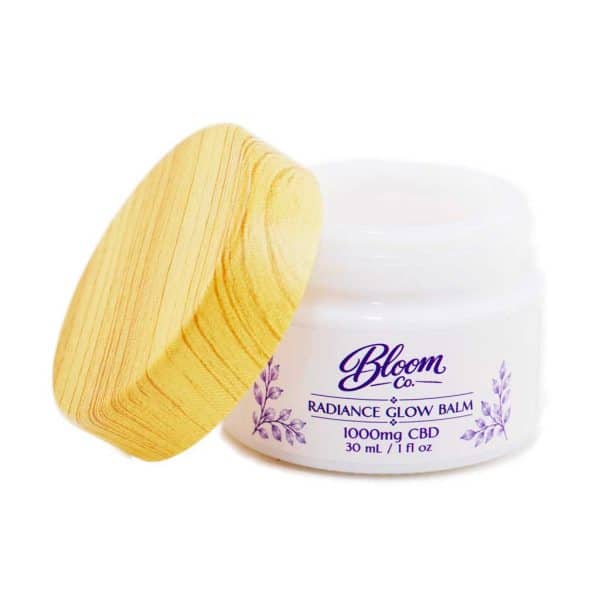
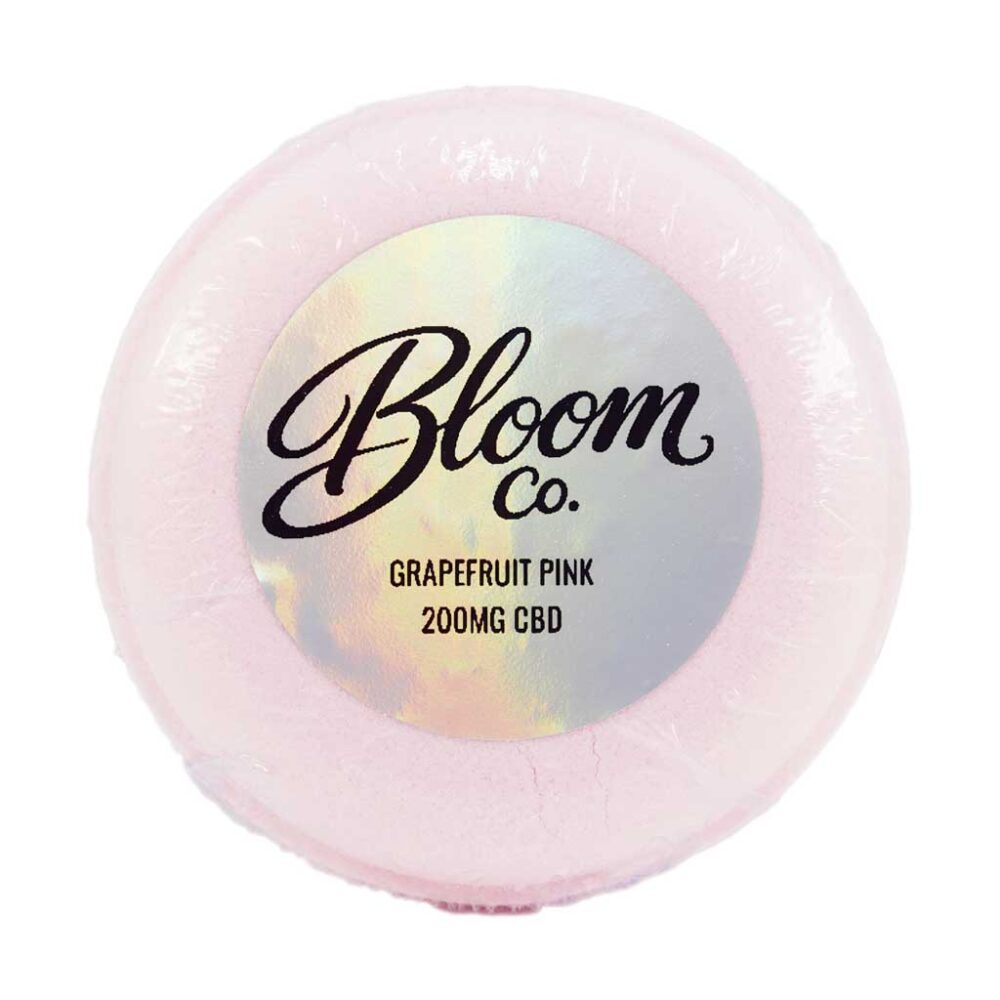
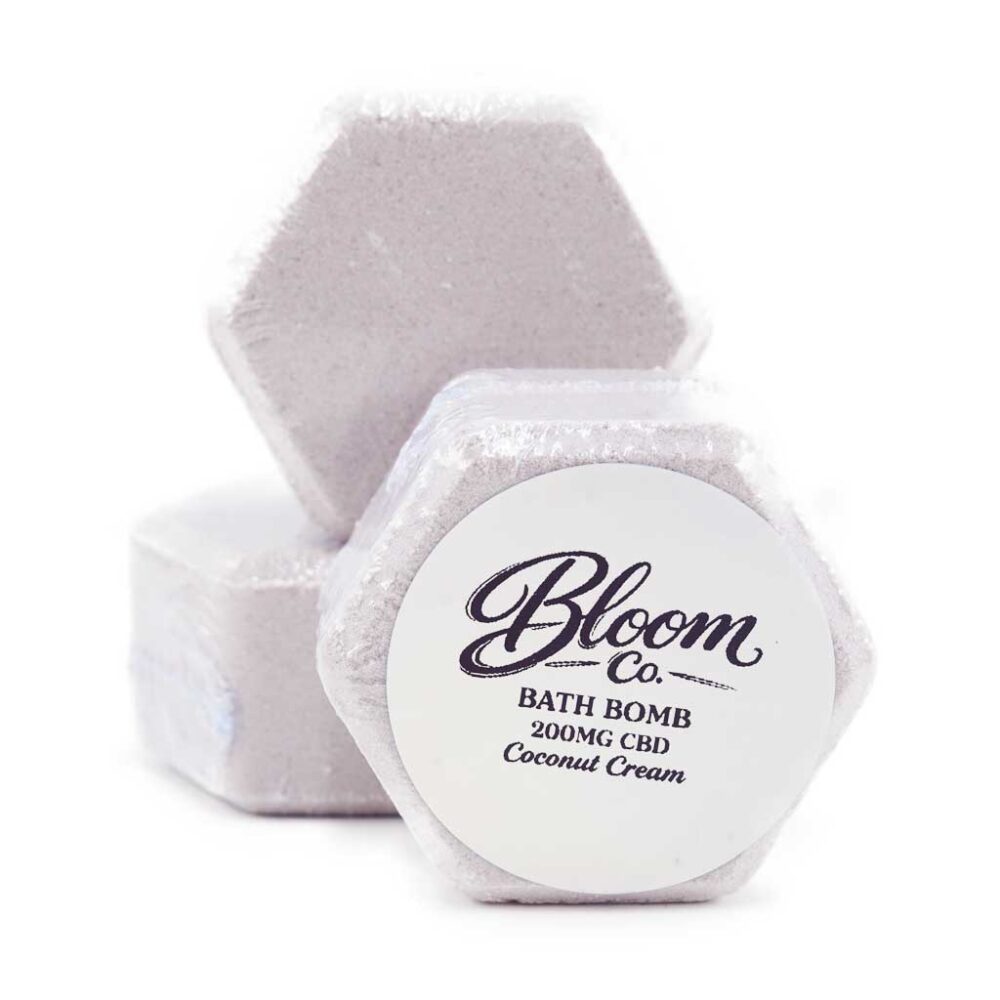
Balms and bath bombs are not typically the first thing people think of for anxiety, but they serve a real purpose. A CBD balm rubbed into the temples, the back of the neck, or the wrists can provide localized relief from tension. The skin absorbs CBD slowly, and the act of massaging the balm in itself can be calming. Bath bombs infused with CBD oil turn a bath into a ritual. The warmth of the water, the scent of terpenes from the hemp extract, and the absorption through the skin all combine to create a moment of deliberate relaxation. These are not the strongest tools for severe anxiety, but they work well as part of a wind-down routine.
Full-spectrum CBD versus CBD isolate
When you shop for CBD products, you will see terms like full-spectrum CBD and CBD isolate. Full-spectrum means the product contains all the cannabinoids and terpenes naturally found in the hemp plant, including trace amounts of THC (usually less than 0.3%). Isolate is pure cannabidiol with everything else stripped out. There is a real debate among users about which is better for anxiety. In my experience, full-spectrum tends to produce a more noticeable sense of calm. The combination of different cannabinoids and terpenes seems to create what is called the entourage effect, where the compounds work together to amplify the benefits. Isolate is more predictable and has zero risk of any psychoactive effect, but some people find it less effective for stress relief.
I have also noticed that the quality of the hemp extract matters a lot. Cheap products often use low-grade hemp grown with pesticides or extracted with harsh solvents. A good full-spectrum CBD product will come from organically grown hemp and use CO2 or ethanol extraction. The difference is noticeable in how the product makes you feel, and in the absence of weird aftertastes or stomach upset.
What about dosage and consistency?
One of the hardest parts of using CBD for anxiety is figuring out the right dose. Everyone reacts differently. Body weight, metabolism, the severity of the anxiety, and even how much food you have in your stomach all play a role. The general advice is to start low and go slow. For a tincture, that might mean a few drops twice a day. For edibles, it could be half a gummy. After a week, you can adjust up or down based on how you feel. I have made the mistake of taking too much too fast, and it just made me feel drowsy and spacey. That is not helpful when you need to function.
Consistency matters more than a single big dose. Taking a small amount daily for a couple of weeks seems to build up a baseline level of cannabidiol in the system, and that is when people often notice the biggest improvement in their overall mood and sleep quality. It is not like a pill that kicks in after an hour. It is more like watering a plant. You do it regularly and over time the plant gets stronger.
Practical tips if you are thinking about trying CBD for anxiety
- Start with one product at a time. If you try a tincture, a vape pen, and a balm all at once, you will not know which one is helping or causing side effects.
- Keep a simple log. Write down what you took, how much, and how you felt an hour later and at the end of the day. Patterns will show up quickly.
- Pay attention to the carrier oil or base. Some tinctures use MCT oil, others use olive oil or alcohol. If one gives you digestive upset, try a different base.
- Do not expect CBD to erase anxiety completely. It is a tool that lowers the volume. It works best alongside other strategies like therapy, exercise, and good sleep hygiene.
- Store your products away from heat and light. Cannabidiol degrades over time, especially in vape pens and oils exposed to sunlight.
The bottom line from someone who has been there
I have watched CBD help people who were desperate for something to take the edge off their daily anxiety. I have also seen people buy expensive products, use them inconsistently, and then say they do not work. The truth is that cbd for anxiety requires a bit of patience and a willingness to experiment with different forms and doses. If you go into it expecting a magic bullet, you will be disappointed. But if you treat it as a supportive practice, something you integrate into your life the way you might add a new vegetable to your diet or start a stretching routine, you stand a much better chance of seeing real results.
For me, the biggest win was sleep. After about two weeks of using a full-spectrum tincture before bed, I started falling asleep faster and waking up less in the middle of the night. The daytime anxiety did not vanish, but it became easier to manage. I stopped reacting to every small stressor as if it were a crisis. That shift alone was worth the time and money I spent figuring out what worked for my body.
If you are curious, pick one product, give it a fair trial for at least a week, and pay attention to how you feel. Talk to your doctor if you are on other medications, especially ones that affect the liver, because CBD can interact with how certain drugs are processed. But for most people, it is a safe and gentle option that has been used for thousands of years in various forms. The modern version, with its vape pens, gummies, balms, and bath bombs, just makes it easier to find a method that fits your life.